

Blog







In this episode of our case review, we take a look at a challenging group to treat - runners. The most important rule of treating them - never tell them NOT to run.

In this case review, we take a look at an office worker struggling with back pain. She was treated efficiently and was back to full function much quicker than she anticipated. We take pride in utilizing the most effective methods using the least number of sessions to get you back to 100%!

In a new website feature, we take a look at real cases and dissect them for you. This gives you insight into how the physiotherapists here at Thornleigh Performance Physiotherapy work. Each case will feature a different injury. Please keep in mind that each individual is unique and it is short sighted to apply the results and finding to another individual.


There has been a lot published lately about how certain medicines aren't beneficial for back pain. On top of this, a lot of things say a scan isn't necessary most of time. So what is the best way forward for your back injury?

Heard someone say needling is good? Want to know more about what it is? Read on and see if it is right for you.


Some people work very hard to increase their flexibility. Others are too flexible. "Too flexible?" you ask. Yes, hypermobile joints are the scourge of athletes, musicians, and even couch potatoes.

Whiplash injuries can range from quite mild to quite serious. Here Cameron gives you an overview of what whiplash is and some of your options. At Thornleigh Performance Physiotherapy, you are more than a number - we care for more than just your injury, and know that it can affect so many different aspects of your life.

There has been a surge in wrist injuries in the clinic, be it from golfing, DIY’ing, or sometimes just living. One of the more common causes of wrist pain is a Triangular Fibrocartilage complex (TFCC) lesion.

Throwing Injuries are getting a lot of attention lately, and the elbow seems to be copping a lot of the flack from poor mechanics

Tendinopathy management has evolved as of late. Where as some previous protocols were designed in an attempt to break the tendon, now days we have gotten a little more specific

What did you think I was talking about? Long Slow Distance (LSD) running is notorious for being associated with ITB Friction Syndrome, nicknamed "Runners Knee" because it is a freuquent occurrence with runners. It is also caused by other activities, but running seems to dominate the landscape. With the Gold Coast Marathon fast approaching it is popping up more frequently here.

Hamstring Season is here. Rugby, AFL, and soccer seem to dominate the sporting fields at this time of year, and with that comes a lot of sore hamstrings!

Sometimes it is easy to say, "that's just my arthritis" and accept pain as a part of life. But here at Thornleigh Performance Physiotherapy, we take an innovative and evidence based approach to improving your pain free function.

Lately we have been getting a lot of questions about the best chair, standing desks, or office set ups as it certainly can influence how well we survive our day at the office. Today we are more aware of our desk mechanics than ever before because we know the consequences of sitting with bad posture - neck pain, shoulder pain, RSI, and lower back pain.
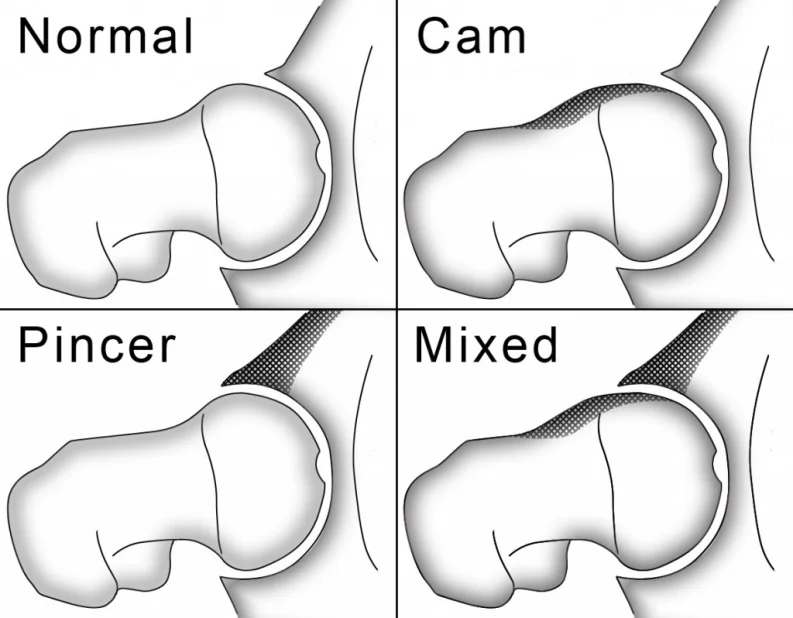
With advances in diagnosis and treatment in sports medicine and sports physiotherapy, a lot of evidence is pointing towards an increasingly common condition afflicting a sportsperson's hip - the symptomatic FAI.

Spring has sprung, and with it comes a raft of gardening after a long hibernation. Here's a few tips to keep you fit and healthy whilst enjoying your garden
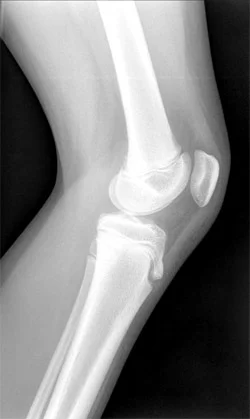
Knee pain is a common complaint we see here at Thornleigh Performance Physiotherapy. In the younger athlete we need to consider Osgood Schlatter Disease as a potential diagnosis.
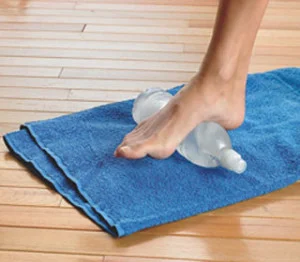
Barefoot season is just around the corner, and with it our physisotherapists tend to see an increase in plantar fasciitis cases.

Mystery shoulder pain - why did it come and and when will it go away? It could be some simple mechanical disorder, or it could be a frozen shoulder...



For many people, headaches start as pain or tension at the top of the neck. As the pain worsens, it may spread to the back of the head, the temples, forehead or behind the eyes. Moving the neck or bending forward for a long time tends to make it worse. This happens because the nerves in the upper part of your neck are connected to the nerves in your head and face.

Gone are the days of the 90/90 rule with workstation. As more companies move to a flexible workstation and try to minimize the impact of prolonged sitting, physiotherapists play a crucial role in creating a more productive environment.