
ACL Tears: What to Expect from Injury to Return to Sport
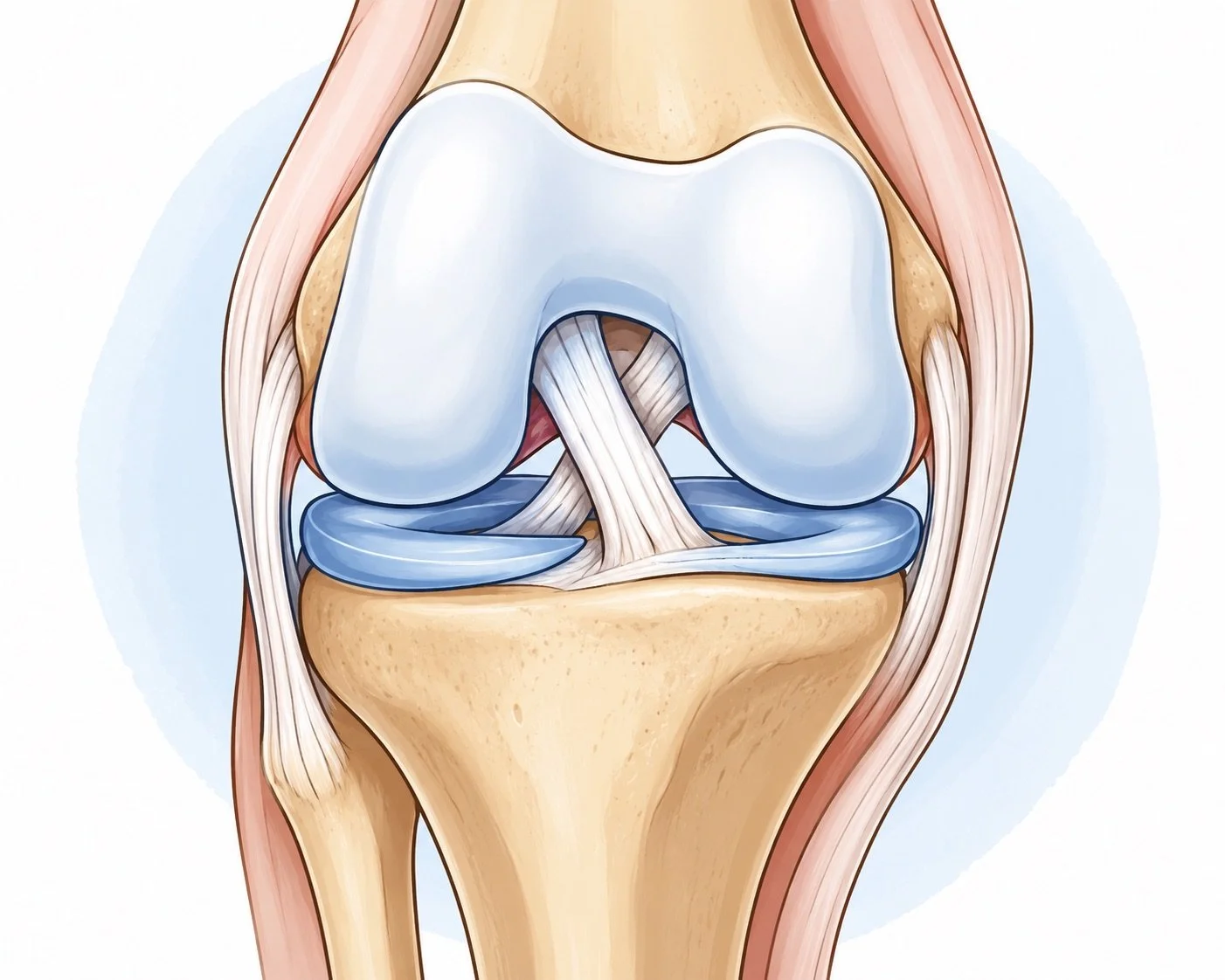
An ACL injury can be a significant setback, whether you’re an elite athlete or someone who simply wants to stay active. Understanding what an ACL tear is, what your treatment options are, and what rehabilitation involves can help you feel more informed and in control of your recovery.
What Is An ACL Tear
The anterior cruciate ligament (ACL) is one of the major ligaments in the knee. It helps provide stability by preventing excessive forward movement and rotation of the shin bone relative to the thigh bone.
ACL injuries commonly occur during movements involving sudden changes of direction, pivoting, landing, or decelerating. A tear often occurs when the knee twists while in a bent position and collapses inward (valgus movement). These injuries frequently happen during sport, particularly when athletes are fatigued or lose concentration, but can also occur from contact injuries.
Treatment decisions
Not every ACL tear automatically requires surgery. Treatment decisions depend on several factors including age, activity demands, goals, associated injuries, and feelings of knee instability.
Conservative management
Some people can successfully manage an ACL injury without surgery through a structured rehabilitation program. This may be suitable for individuals with lower sporting demands or those who regain good knee stability.
Cross-bracing protocol
The Cross-Bracing Protocol is a newer approach involving specific knee bracing in the early stages after injury, with the goal of encouraging ACL healing in appropriate cases. This may be an option for selected individuals and should be discussed with your healthcare team.
Surgical management
ACL reconstruction surgery may be recommended for individuals wanting to return to high-level pivoting sports, those experiencing ongoing instability, or when there are additional injuries such as meniscal damage.
There is no single “best” treatment option for everyone. Decisions should always be made in discussion with your physiotherapist, surgeon, and healthcare team.
ACL rehabilitation phases
ACL rehabilitation is a structured process that progresses through several stages. While every individual progresses at a different rate, each phase has specific goals that need to be achieved before moving forward. Below is an example of rehab phases from the Melbourne ACL Rehabilitation Guide:
Phase 1: Recovery and symptom management
Early rehabilitation focuses on reducing pain and swelling and restoring normal movement.
Key goals:
Regain full knee extension (straightening)
Reduce swelling
Reactivate the quadriceps muscles
Phase 2: Strength and neuromuscular control
As symptoms settle, rehabilitation shifts toward rebuilding strength and improving movement control.
Key goals:
Improve single-leg balance
Regain muscle strength
Perform single-leg tasks with good control and alignment
Phase 3: Running, agility, and landing
This phase introduces higher-level movements and prepares the body for sport-specific demands.
Key goals:
Progress through running and agility programs
Improve jumping and landing mechanics
Restore strength and balance
Phase 4: Return to sport
Returning to sport should not be based on time alone. Athletes should demonstrate physical readiness, confidence, and successful completion of return-to-sport testing.
Key considerations:
Passing objective return-to-sport assessments
Feeling comfortable and confident returning
Continuing an injury prevention program
Phase 5: Preventing re-injury
Rehabilitation does not end once you return to sport. Ongoing strength work and injury prevention strategies are important for long-term knee health.
Examples include:
Injury prevention warm-up programs such as the PEP program or FIFA 11+
Continuing regular strength training
Maintaining good movement quality and conditioning
Common mistakes during ACL rehabilitation
One of the biggest mistakes after an ACL injury is stopping rehabilitation too early. Many people feel significantly better before their knee has fully recovered, but strength, balance, movement control, and confidence may still need improvement. Returning to sport too early can increase the risk of another injury. Progression through rehabilitation should be guided by objective testing rather than simply time since injury or surgery.
Timeline realities
Recovery timelines can vary considerably between individuals. While timelines can provide a general guide, progression should be based on achieving goals at each rehabilitation phase rather than simply reaching a certain number of weeks after injury or surgery.
A rough guideline may look like:
Phase 1: Weeks 0-2
Phase 2: Weeks 2-12
Phase 3: Months 3-6
Phase 4: Months 9-12+
Phase 5: Ongoing
However, two people with the same injury can progress at very different rates, so comparing your recovery with someone else’s is rarely helpful.
Re-injury risk
Unfortunately, previous ACL injury increases the risk of future knee injuries.
Several other factors may contribute to re-injury risk, including:
Returning to sport too early
Not completing full rehabilitation
Reduced strength or ongoing movement deficits
Not maintaining regular strength training
Psychological readiness and confidence levels
Reducing re-injury risk requires ongoing work even after returning to activity.
The psychological side of ACL recovery
Recovering from an ACL injury can be mentally challenging. Long rehabilitation periods can affect motivation, confidence, and emotional wellbeing.
Staying connected with friends, maintaining enjoyable activities, finding new hobbies, and focusing on achievable goals can help throughout recovery.
Passing physical tests is only one part of the return-to-sport process. Someone may appear physically ready, but if confidence, trust in the knee, or fear of re-injury remain barriers to return to sport may still be challenging. Psychological readiness has been identified as an important component of recovery and may influence the risk of future injury, highlighting the importance of assessing both the body and the mind during rehabilitation.
When should you see a physiotherapist?
Physiotherapy plays an important role throughout every stage of ACL rehabilitation.
Whether you have just injured your knee, are considering treatment options, recovering after surgery, or preparing to return to sport, physiotherapy can help guide your rehabilitation and support the best possible outcome.
Ready to take the next step in your recovery?
If you would like someone to assess your knee, provide an accurate diagnosis, and guide you through a structured ACL rehabilitation program, call us at (02) 8411 2050. At Thornleigh Performance Physiotherapy, we specialise in getting you back to doing what you love as soon and as safely as possible. We are conveniently located near Beecroft, Cherrybrook, Hornsby, Normanhurst, Pennant Hills, Waitara, Wahroonga, Westleigh, West Pennant Hills, and West Pymble.